
Travel health and safety guidelines are crucial for every traveler’s well-being. From understanding key components to practical tips for staying healthy on the go, this topic delves into the essentials of safe travel practices.
Whether you’re an avid adventurer or a leisure traveler, ensuring your health and safety during trips is paramount. Let’s explore the must-know information to make your journeys worry-free and enjoyable.
Travel Health and Safety Guidelines
Travel health and safety guidelines are crucial for ensuring a smooth and safe journey for travelers. By following these guidelines, individuals can protect themselves from potential health risks and stay safe during their trips.
Key Components of Travel Health and Safety Guidelines
- Research destination: Before traveling, research the destination to understand potential health risks, required vaccinations, and safety tips specific to that location.
- Medical insurance: Make sure to have adequate medical insurance coverage for international travel to cover any unexpected medical expenses.
- Pack essentials: Pack necessary medications, first aid kit, hand sanitizer, and personal protective equipment to stay prepared for any health emergencies.
- Stay hydrated and eat well: Maintain a healthy diet and drink plenty of water to keep your immune system strong during travel.
- Practice good hygiene: Wash hands frequently, use hand sanitizer, and avoid touching your face to prevent the spread of germs.
Tips for Staying Safe and Healthy During Trips
- Avoiding street food: Be cautious when consuming street food to prevent foodborne illnesses.
- Stay active: Engage in physical activities to boost your immune system and stay healthy while traveling.
- Stay informed: Stay updated on local health advisories and follow any travel restrictions or guidelines in place.
- Get enough rest: Ensure you get sufficient rest and sleep to maintain your overall health and well-being during your travels.
- Emergency contacts: Keep a list of emergency contacts handy in case of any health or safety emergencies while traveling.
Outdoor Activities
When engaging in outdoor activities, it is crucial to prioritize health and safety to ensure a fun and enjoyable experience while minimizing risks. Being prepared and aware of potential hazards can help prevent accidents and injuries.
Water Activities
- Swimming and snorkeling: Always swim in designated areas with a lifeguard present. Check water conditions and be aware of strong currents.
- Kayaking or canoeing: Wear a life jacket at all times and familiarize yourself with the waterway before heading out.
- White-water rafting: Choose a reputable outfitter, wear appropriate gear, and follow the guide’s instructions closely.
Hiking and Trekking
- Research the trail: Know the difficulty level, length, and terrain of the hike before starting. Bring a map, compass, and plenty of water.
- Wear appropriate footwear: Choose sturdy shoes with good traction to prevent slips and falls.
- Dress in layers: Be prepared for changing weather conditions by wearing clothing that can be easily adjusted.
Camping
- Choose a safe campsite: Look for level ground away from potential hazards like dead trees or rocky cliffs.
- Set up a safe campfire: Keep fires contained in a designated pit and always have water nearby to extinguish it.
- Store food properly: Keep food in sealed containers to prevent attracting wildlife to your campsite.
Travelling and Hotels
When it comes to traveling and staying at hotels, ensuring health and safety measures are in place is crucial for a worry-free experience.Hotels play a significant role in implementing health and safety measures for travelers by following guidelines set by health authorities.
This includes regular cleaning and disinfection of common areas, providing hand sanitizing stations, enforcing social distancing in public spaces, and training staff on proper hygiene protocols.It is essential to choose accommodations that prioritize hygiene and cleanliness to minimize the risk of exposure to germs and viruses.
Look for hotels that have enhanced cleaning procedures, contactless check-in options, and updated ventilation systems for better air quality.To ensure a safe stay at hotels during travel, consider the following tips:
Tips for a Safe Stay at Hotels
- Upon arrival, disinfect commonly touched surfaces in your hotel room, such as doorknobs, light switches, and remote controls.
- Opt for contactless payment methods to reduce physical contact with surfaces.
- Bring your own personal hygiene kit with essentials like hand sanitizer, disinfectant wipes, and face masks.
- Choose rooms with windows that can be opened for better ventilation.
- Practice social distancing in common areas such as lobbies, elevators, and restaurants.
- If possible, request housekeeping services only when necessary to limit exposure to others.
Holidays and Vacations
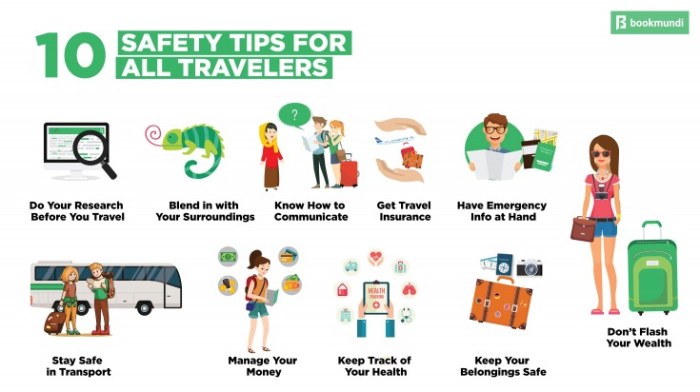
Planning vacations with health and safety in mind is crucial to ensure a stress-free and enjoyable trip. By considering potential risks and taking necessary precautions, travelers can minimize the chances of falling ill or encountering emergencies while on vacation.Popular holiday destinations around the world have implemented stringent health protocols to protect both tourists and locals.
For example, countries like New Zealand, Iceland, and Singapore have been praised for their proactive measures in response to the COVID-19 pandemic. These destinations have strict testing requirements, contact tracing systems, and quarantine protocols in place to prevent the spread of the virus.Travelers can make informed decisions to prioritize their well-being during vacations by researching destination-specific health guidelines and requirements.
It is essential to stay up-to-date on travel advisories, vaccination recommendations, and local COVID-19 regulations before planning a trip. Additionally, packing essential items such as hand sanitizers, face masks, and disinfectant wipes can help travelers stay protected while on the go.
Vacation Plans
Planning a vacation is an exciting time, but it’s important to consider health and safety guidelines to ensure a smooth and enjoyable trip.
Creating a Travel Itinerary with Health and Safety Considerations
When creating your travel itinerary, be sure to include time for rest and relaxation to avoid burnout. Incorporate activities that promote physical activity and healthy eating. Research local healthcare facilities in case of emergencies and pack a first aid kit with essential supplies.
Researching Destination-Specific Health Guidelines
Before planning your trip, research destination-specific health guidelines to understand any health risks or requirements. Check for any travel advisories, vaccination recommendations, and local regulations regarding COVID-19. Stay informed about any changes in health guidelines leading up to your trip.
Adjusting Vacation Plans to Align with Current Health Recommendations
Be flexible with your vacation plans and be prepared to make adjustments based on current health recommendations. Consider choosing outdoor activities over indoor ones, opting for less crowded destinations, and following social distancing guidelines. Stay updated on any travel restrictions or quarantine requirements in your destination.
Travel Spot
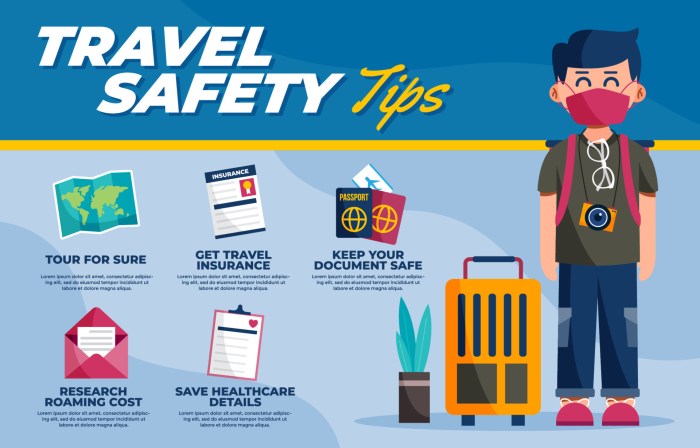
When choosing a travel spot, safety and security should be top priorities for tourists. Opting for destinations with a robust health infrastructure can significantly impact the overall travel experience and ensure peace of mind for travelers. Here are some insights on how travelers can identify suitable travel spots based on health and safety criteria.
Characteristics of Safe and Secure Travel Spots
- Presence of well-equipped hospitals and medical facilities.
- Low crime rates and a stable political environment.
- Effective emergency response systems in place.
- Clean and hygienic accommodations and public spaces.
Impact of Choosing Destinations with Robust Health Infrastructure
- Quick access to quality healthcare in case of emergencies.
- Availability of necessary medications and treatments for common health issues.
- Reduced risk of contracting infectious diseases due to proper sanitation measures.
Identifying Suitable Travel Spots Based on Health and Safety Criteria
- Research the destination’s healthcare system and facilities before booking your trip.
- Check for any travel advisories or health alerts issued for the location.
- Consider the overall cleanliness and hygiene standards of the destination.
- Seek recommendations from fellow travelers or travel agencies with experience in the area.
Best Travel Backpack
When it comes to choosing the best travel backpack, comfort and safety should be top priorities for health-conscious travelers. A good travel backpack should not only be durable and spacious but also ergonomically designed to prevent strain on your back and shoulders during long journeys.
Additionally, it should have features that keep your belongings secure and organized, ensuring easy access to essential items when needed.
Comparing Features of Travel Backpacks
- Adjustable padded shoulder straps to distribute weight evenly and reduce strain on your shoulders.
- Padded back panel with airflow ventilation to prevent sweating and discomfort.
- Multiple compartments and pockets for organized packing and easy access to items.
- Lockable zippers and RFID-blocking pockets to keep your belongings safe from theft and identity theft.
- Water-resistant or waterproof material to protect your gear from rain or spills.
Selecting the Best Travel Backpack
- Consider the size and capacity of the backpack based on the duration of your trip and the items you need to carry.
- Look for backpacks with padded hip belts to transfer weight from your shoulders to your hips for better support.
- Choose a backpack with adjustable straps and a chest strap for a customized fit and added stability.
- Opt for a backpack with a built-in rain cover or the ability to attach one to protect your belongings in wet conditions.
Packing Essential Items in Your Travel Backpack, Travel health and safety guidelines
- Include a first aid kit with essential medications, bandages, and supplies for minor injuries.
- Pack a flashlight, whistle, and emergency blanket for unexpected situations or emergencies.
- Carry a refillable water bottle to stay hydrated during your travels.
- Keep important documents like passport, ID, and travel insurance information in a secure and easily accessible pocket.
- Organize your belongings in packing cubes or pouches to maximize space and keep items separate and easy to find.
Travel Tip
When traveling, it’s essential to prioritize your health and safety to ensure a smooth and enjoyable journey. Whether you’re exploring a new city or embarking on an outdoor adventure, following these general travel tips can help you stay safe and well-prepared throughout your trip.Share insider tips on navigating airports, transportation, and public spaces during travel.
It’s important to familiarize yourself with the layout of airports and public transportation systems to avoid getting lost or feeling overwhelmed. Keep your belongings secure at all times and be mindful of your surroundings, especially in crowded areas.Discuss the importance of staying informed about travel advisories and updates for a smooth journey.
Before your trip, check for any travel advisories or alerts in your destination to stay informed about local conditions, safety concerns, or any potential disruptions. Stay connected with reliable sources of information to ensure you have the latest updates during your travels.
Stay Hydrated and Rested
- Make sure to drink plenty of water during your travels to stay hydrated, especially if you’re flying or spending time in hot climates.
- Get enough rest before and during your trip to avoid fatigue and jet lag, allowing you to enjoy your adventures to the fullest.
- Consider carrying a reusable water bottle to refill throughout the day and pack snacks to keep your energy levels up.
Keep Important Documents Secure
- Carry copies of your passport, ID, and other essential documents in a separate bag or store digital copies on your phone or email for easy access.
- Use a money belt or hidden pouch to keep valuables like cash, credit cards, and travel documents safe from pickpockets or theft.
- Be cautious when sharing personal information or using public Wi-Fi to protect your privacy and avoid potential security risks.
Travel News
The travel industry is constantly evolving, with new updates and regulations being implemented worldwide. These changes have a significant impact on travelers, influencing their decision-making and trip planning.
Current Travel Restrictions
- Many countries have implemented strict travel restrictions, including mandatory quarantine periods and testing requirements for incoming travelers.
- Some destinations have closed their borders to international visitors altogether, while others have implemented travel bubbles with specific countries.
- Airline schedules continue to be disrupted, with frequent cancellations and changes in routes due to fluctuating demand and restrictions.
Global Events and Travel Regulations
- The COVID-19 pandemic has led to widespread changes in travel regulations, with a focus on health and safety protocols to prevent the spread of the virus.
- Natural disasters, political unrest, and other global events also impact travel regulations, leading to sudden changes in restrictions and guidelines.
- Travelers must stay informed about the latest updates and be prepared to adapt their plans accordingly to ensure a safe and smooth journey.
Best Travel Destinations
When it comes to traveling amidst the ongoing global health situation, it is crucial to choose destinations that prioritize the health and safety of visitors. Here, we highlight some of the top travel destinations known for their stringent health guidelines and safety measures to ensure a worry-free travel experience.
Top Travel Destinations for Health and Safety
- Japan: Known for its cleanliness and advanced healthcare system, Japan has been implementing strict health protocols to protect both locals and tourists.
- New Zealand: With its low population density and proactive approach to handling the pandemic, New Zealand is considered one of the safest destinations for travelers.
- Iceland: Famous for its breathtaking landscapes and outdoor activities, Iceland has also been praised for its effective testing and tracing measures to keep visitors safe.
Trending Destinations with Unique Experiences
- Costa Rica: This eco-friendly destination offers a mix of adventure and relaxation, with a focus on sustainable tourism practices and health protocols.
- South Korea: From vibrant cities to serene countryside, South Korea provides a blend of modernity and tradition while ensuring strict safety measures for travelers.
- Greece: With its rich history, stunning beaches, and delicious cuisine, Greece has adapted well to the new normal with enhanced safety protocols in place.
Choosing the Best Travel Destinations
- Research: Before booking your trip, make sure to research the destination’s current health guidelines, entry requirements, and safety measures to make an informed decision.
- Consult Experts: Seek advice from travel experts, health authorities, or trusted sources to get recommendations on safe and suitable travel destinations.
- Flexibility: Keep your travel plans flexible and be prepared to adapt to any changes or restrictions that may arise during your trip for a smooth travel experience.
Final Wrap-Up
In conclusion, prioritizing health and safety while traveling not only enhances your overall experience but also ensures a smooth and stress-free trip. By following these guidelines, you can embark on your next adventure with confidence and peace of mind.
FAQ Explained: Travel Health And Safety Guidelines
What are the key components of travel health and safety guidelines?
The key components include staying updated on destination-specific health guidelines, packing essential items for emergencies, and prioritizing hygiene practices.
How can travelers ensure a safe stay at hotels during travel?
Travelers can ensure a safe stay by choosing accommodations that prioritize hygiene, following hotel safety protocols, and being vigilant about cleanliness standards.
Why is it important to research destination-specific health guidelines before planning a trip?
Researching destination-specific health guidelines helps travelers understand potential health risks, prepare adequately, and make informed decisions to protect their well-being.


